Well Drilling
Well Drilling
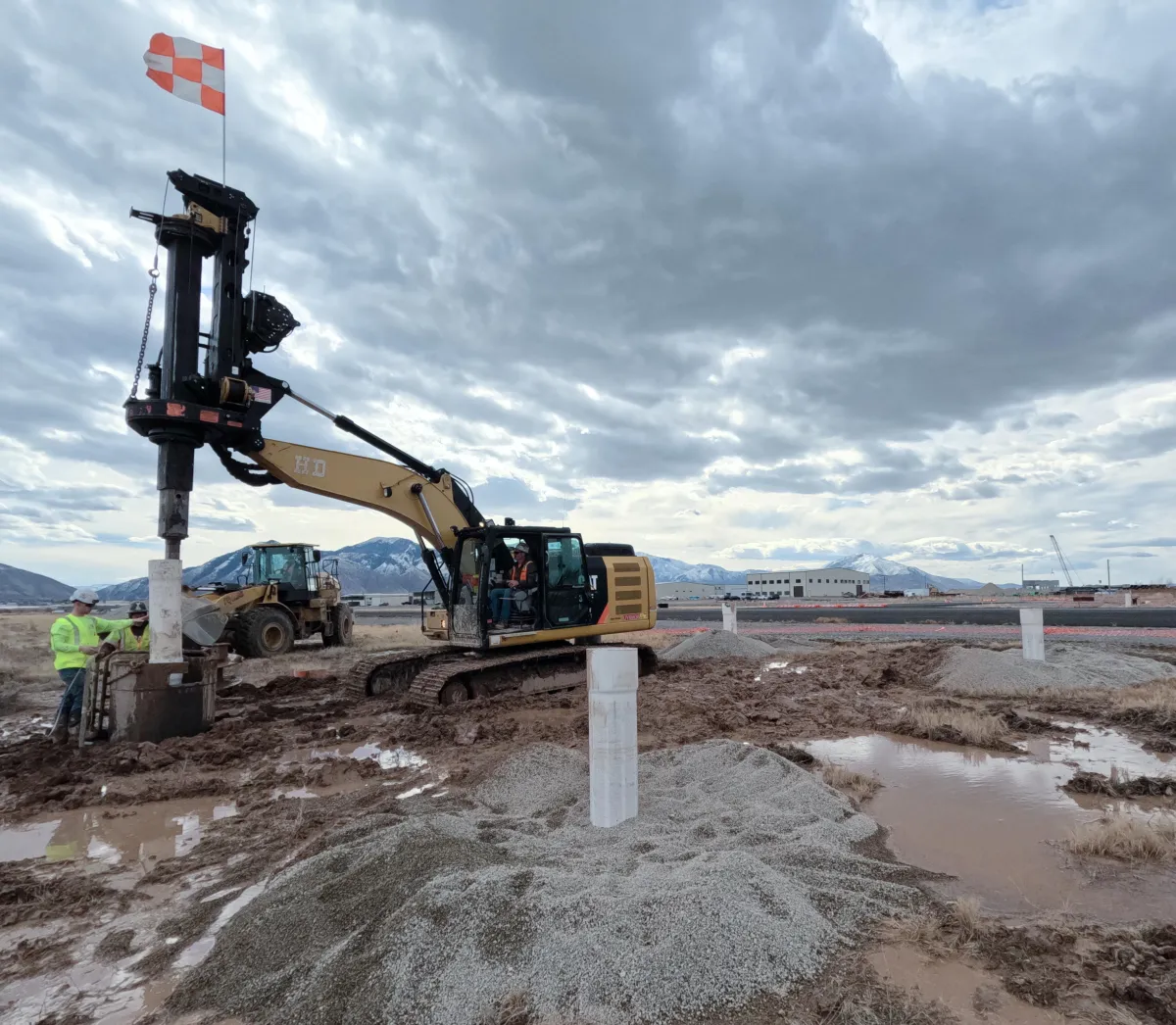
Our licensed professionals bring over two decades of experience in drilling dewatering wells, conductor holes, and dry wellsOur licensed professionals bring over two decades of experience in drilling dewatering wells, conductor holes, and dry wells
Conductor Holes, Dewatering Wells, and Dry Wells
Water well drilling in Utah starts well before a production well reaches the aquifer. A conductor hole has to be set and sealed first; groundwater has to be controlled before an excavation can go down; and stormwater needs somewhere to go once a site is paved. Hark Drilling is a licensed non-production well driller serving developers, general contractors, engineers, municipalities, agricultural operators, and property owners across Utah and the Intermountain West. For more than 20 years, our crews have drilled conductor holes, dewatering wells, and dry wells in ground ranging from Salt Lake Valley lake sediments to cobble-laden benches and bedrock.
We drill and complete non-production wells. We don't install production water wells or pumping systems. Our conductor holes give licensed water well contractors a stable, sealed starting point for drilling down to the aquifer.
Our Well Drilling Services in Utah
Conductor Holes
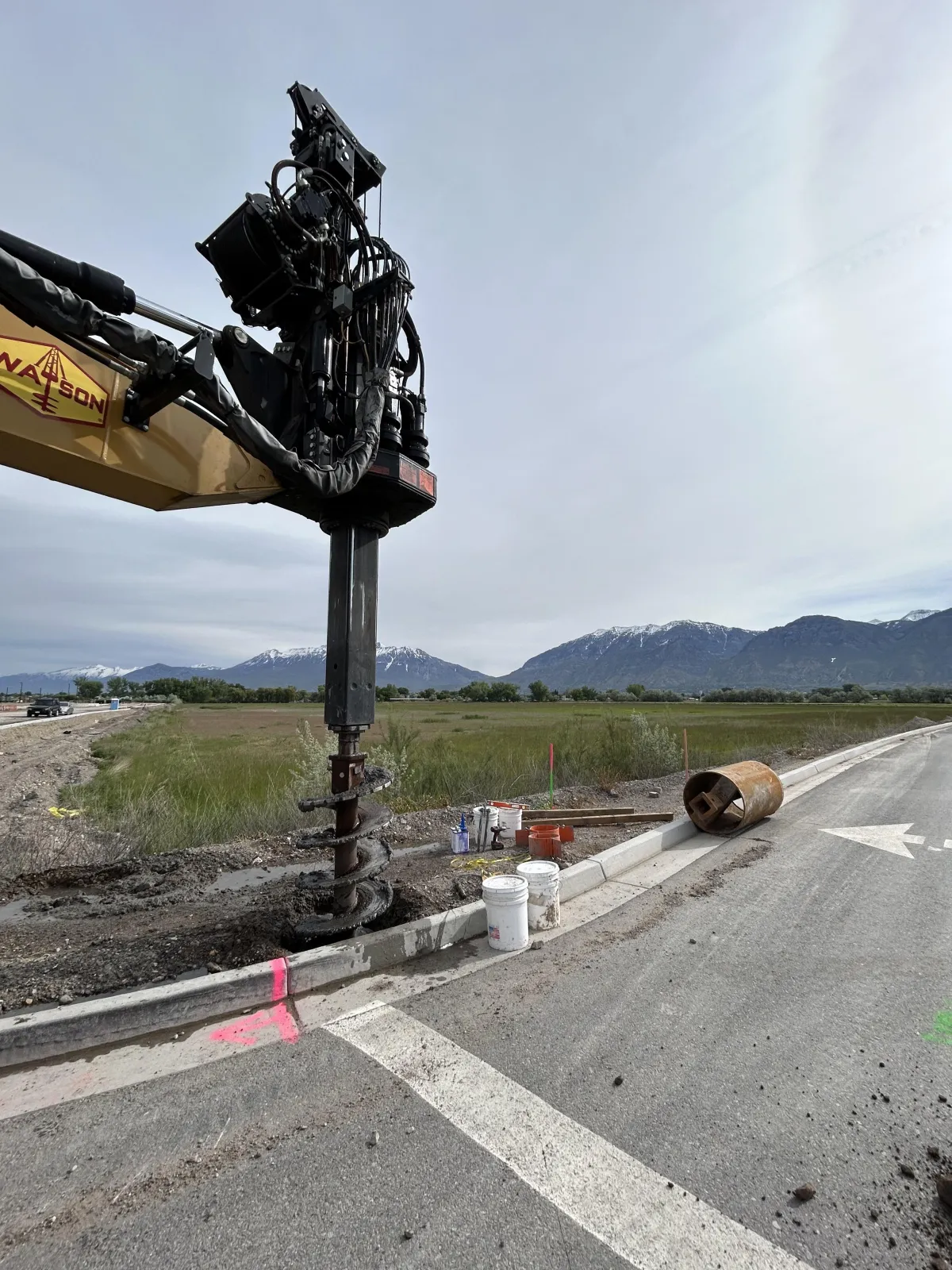
A conductor hole is the upper section of a water well. It is drilled to a specified depth, typically at least 40 feet; cased; and grouted so the casing is bonded to the surrounding soil. The cemented casing keeps loose surface material from caving in and seals the top of the borehole against surface water. The water well contractor then drills deeper through the conductor to reach groundwater.
Dewatering Wells
When groundwater sits above the bottom of a planned excavation, dewatering wells lower it so crews can work in dry, stable conditions. We drill to the design depth and install PVC casing with a slotted section that lets water flow into the well, where external pumping equipment removes it. Dewatering is often paired with shoring and earth retention on deep basement and utility excavations.
Dry Wells
A dry well is a permanent stormwater management structure. It collects runoff and lets it drain slowly into the soil below. We drill to the specified depth and place the fill materials the plans call for, giving the site a way to handle stormwater without overloading surface drainage. In Utah's dry climate, dry wells are a common requirement for commercial pads, parking areas, and subdivisions.
Our Drilling Process and Methods
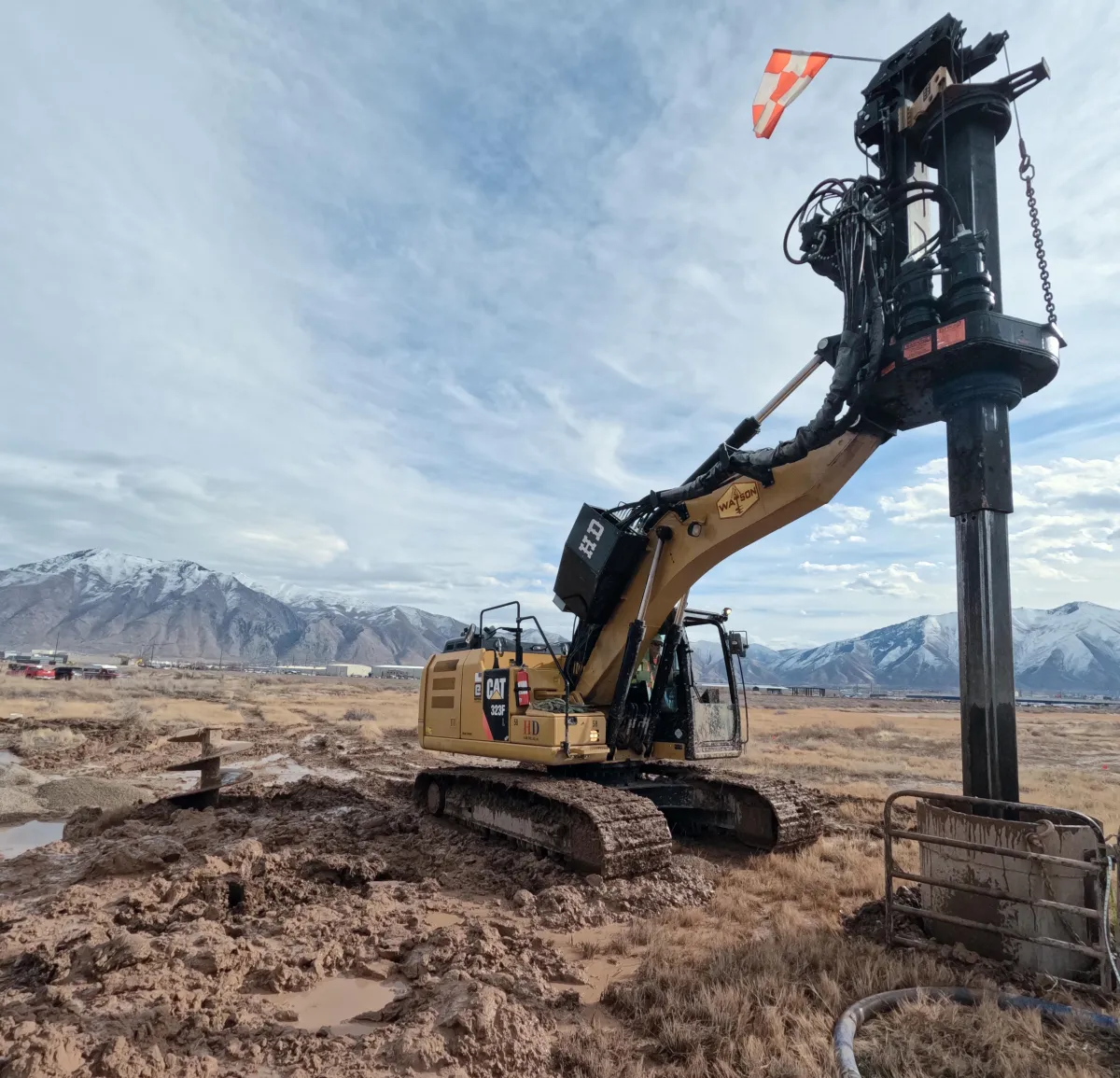
Every well starts with the plans and the ground. We work from designs prepared by your engineer, or we provide the engineering plans ourselves. From there, the process follows a consistent sequence:
Plan and Site Review: We confirm depths, diameters, casing and grout specifications, and state permitting requirements, and we review any available geotechnical data.
Method Selection: We choose the drilling method to suit the ground. Auger drilling works well in cohesive soils and at shallow depths; mud rotary drilling uses a circulating drilling fluid to hold the borehole open and carry cuttings out, which makes it well suited to loose sands, gravels, and deeper holes where the walls may cave.
Drilling: Crews advance the borehole to the design depth and adjust for cobbles, boulders, or bedrock as they are encountered.
Casing and Completion: Casing is set; conductor holes are grouted; dewatering wells get slotted casing; and dry wells are filled with their specified materials.
Documentation: We provide depth and completion records for the engineer of record and for any required state filings.
We manage the job from start to finish, including ordering materials, delivering them to the site, and making sure each well is ready for its intended use.
Why Choose Hark Drilling?
Experience
Our licensed professionals bring over two decades of experience in drilling dewatering wells, conductor holes, and dry wells.
Custom Services
We handle all aspects of drilling these types of wells, from ordering materials to delivering them on-site and ensuring the wells are ready for use.
Local Expertise
We are a licensed non-production well driller in the state of UT/AZ and our team understands the unique needs of drilling in Utah and Arizona making us uniquely qualified to offer these services across the state.
In-House Engineers
We provide the engineering plans for our projects unless our clients have their own engineers who draw up their plans, which we can use.
Well Specifications
Well specifications vary with the application. The key variables we build to include:
Depth: Conductor holes are typically drilled to at least 40 feet or as specified. Dewatering and dry well depths are set by the engineer based on the water table, the soil profile, and the design need.
Diameter: Borehole and casing diameters are sized to the well's purpose and to the equipment that will follow.
Casing: Steel or PVC casing, depending on the application; slotted sections for dewatering; solid casing for conductor holes.
Grout and Seal: A cement grout seal bonds the conductor casing to the formation and protects the borehole from surface water.
Performance: For dewatering wells, the design pumping rate and the target drawdown guide the depth and the slotted interval. The yield of a production water well is established by the water well contractor who completes it.
Residential, Agricultural, and Commercial Applications
Residential Well Drilling: Conductor holes that prepare a site for a homeowner's water well, plus dry wells for residential lots and subdivisions that need on-site stormwater control.
Agricultural: Conductor holes ahead of irrigation and stock water wells on farms and ranches.
Commercial and Industrial: Dewatering for deep foundations and basement excavations, and dry wells for commercial pads, parking lots, and warehouses.
Municipal and Infrastructure: Stormwater dry wells and dewatering for utility, roadway, and public works projects.
Utah Geology and Groundwater Conditions
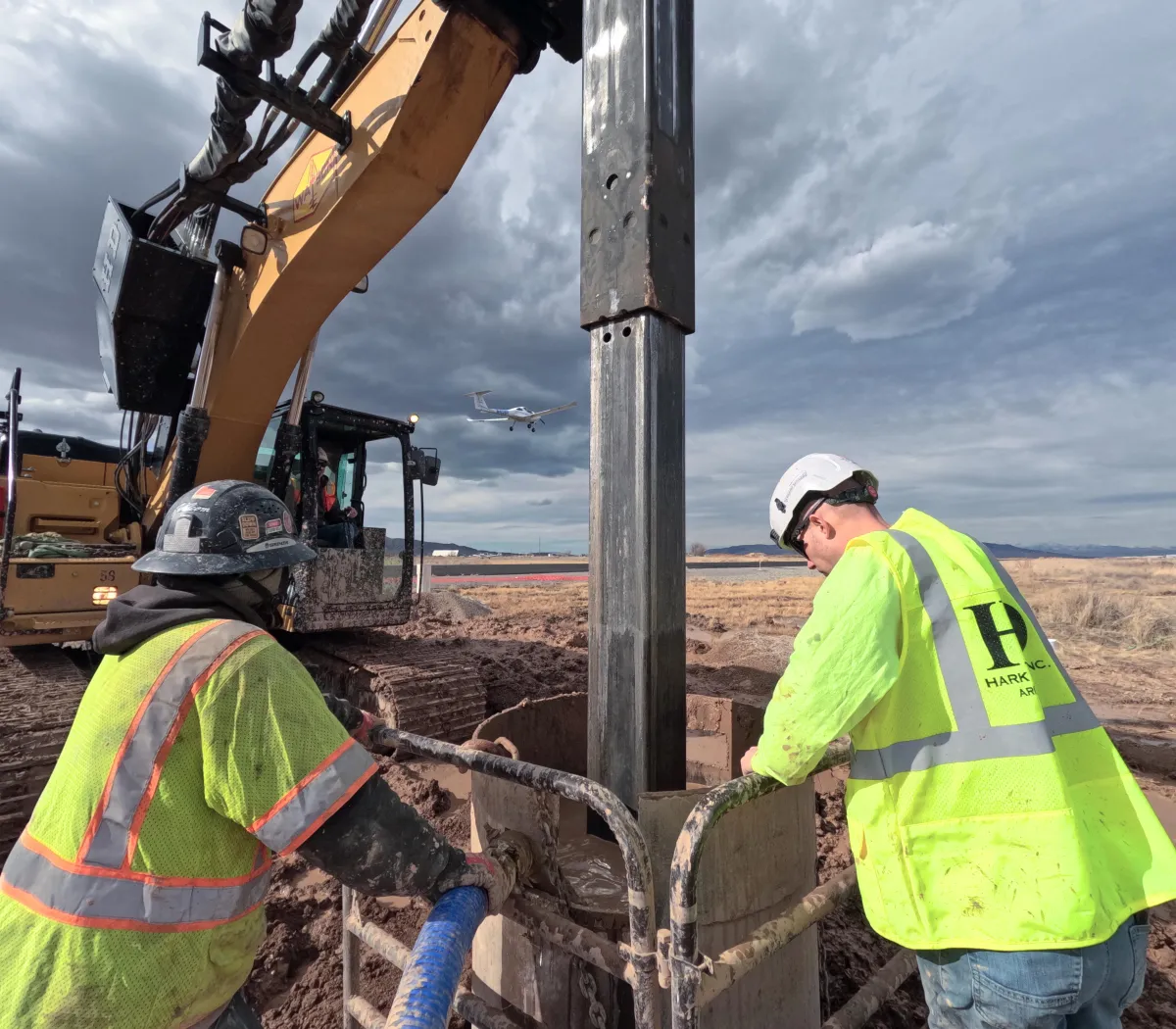
Utah's subsurface changes a great deal from one valley to the next, and the ground drives both the method and the schedule. Much of the Wasatch Front sits on deep basin fill left by ancient Lake Bonneville: layered clay, silt, sand, and gravel that hold the principal aquifers for Salt Lake, Utah, Davis, and Weber counties. In parts of the Salt Lake Valley, shallow groundwater makes dewatering a routine part of excavation.
Along the benches and canyon mouths, alluvial fan deposits bring cobbles and boulders that slow drilling and can deflect a borehole. In the mountains and much of southern Utah, crews meet sandstone, limestone, and volcanic bedrock, which call for rock drilling capability. Our experience with rock drilling, rock slope stabilization, and soil nails means our crews are used to changing conditions within a single borehole.
Utah Geology and Groundwater Conditions
From our Salt Lake City office, Hark Drilling provides well drilling across the Wasatch Front, including Salt Lake City, Ogden, Provo, and the surrounding valleys, as well as Cache Valley, the Uinta Basin, and southern Utah. As a drilling company in Utah with a second office in Phoenix, we also support projects in Arizona, Colorado, Idaho, Montana, New Mexico, and Wyoming.
Typical Utah projects include dewatering wells for commercial basement excavations in the Salt Lake Valley, dry well packages for new subdivisions and commercial pads along the Wasatch Front, and conductor holes for rural residential and agricultural water wells. Visit our projects page to see completed work.
What Affects the Cost of Well Drilling
Every project is priced on its own scope. The main cost factors include:
Depth and Diameter: Deeper and larger holes take more drilling time and materials.
Ground Conditions: Cobbles, boulders, bedrock, and caving sands affect production rates and method selection.
Casing and Grout: Material type, length, and grout volume.
Number of Wells: Multi-well dewatering and dry well packages allow efficient mobilization.
Site Access: Tight urban sites, slopes, and remote locations affect equipment and setup.
Permitting and Documentation: State requirements for non-production wells.
Well Drilling FAQs
How deep do you drill before hitting water?
It depends on location. Groundwater can be shallow in parts of the Salt Lake Valley and hundreds of feet deep in other areas. Our conductor holes are drilled to a specified depth, typically at least 40 feet, and the water well contractor drills from there to the aquifer.
How long does it take?
Most conductor holes and dry wells are completed in a matter of days, depending on depth, ground conditions, and site access. Multi-well dewatering systems are scheduled around the excavation sequence.
Do you do the pumping?
We drill and complete the dewatering wells. Pumping is handled with external equipment, typically by the dewatering contractor or the general contractor.
Can you drill down to the water depth?
Our work covers conductor holes, dewatering wells, and dry wells. For a production water well, a licensed water well contractor completes the drilling to the aquifer through the conductor we set.
Talk to a Utah Well Drilling Contractor
Whether you're preparing a site for water well drilling in Utah, controlling groundwater ahead of an excavation, or meeting stormwater requirements, Hark Drilling brings the equipment, licensing, and field experience to get it done right. Contact our Salt Lake City office to review your plans, site conditions, and schedule.
ARIZONA
12225 W. PEORIA AVE. SUITE A | EL MIRAGE, AZ 85335
UTAH
210 WEST 5TH AVE. | MURRAY, UT 84107
COPYRIGHT © 2024 HARK DRILLING, INC. | WEBSITE DESIGN BY ALL IN ADVERTISING